

Replacement Locking Mechanism For UPVC Doors
If you're hearing a "tick-tock" sound that emanates from your multipoint upvc door lock This could indicate that there is a problem with the central case gearbox. It can also be caused by an issue with the handle mechanism.
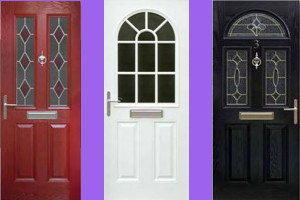
To solve these issues, a new lock mechanism might be needed. You can make it yourself for a lower cost than a locksmith.
Identifying the Problem
Don't believe that your uPVC lock isn't repairable if you've had problems with it in the past. You might be able to make some simple adjustments to bring it back to normal operation without replacing the locking mechanism. Stiff or jammed uPVC doors aren't just difficult to deal with, but also pose a security risk. A skilled locksmith will inspect the system and provide a thorough resolution to make sure that your uPVC multipoint door lock works properly.
The most common problem with the uPVC multipoint door is that one of the points is not able to engage when you close the handle. This is usually caused by dirt, dust, or rust that accumulates within the mechanism over time. This can impede the smooth operation of the key or the handle, and can cause the lock to be stuck and then fail. A locksmith can clean and lubricate the mechanism removing these substances.
Other common problems with uPVC multipoint locks are an inflexible or loose door handle, or a misaligned lock. A uPVC door handle that is inflexible or difficult to use can be corrected by tightening the screws inside the barrel. A misaligned uPVC door lock can be fixed by making some uPVC hinge adjustments so that the handle sits correctly in line with the keyhole and locking points.
Before you begin working on your uPVC multipoint door lock be sure to consult the manual provided by the manufacturer for specific instructions or warnings. It is also essential to take accurate measurements to ensure that you receive an item that has the same dimensions and cam angle. After you've taken the measurements, it is time to begin disassembling the lock. Start by sliding a small flat-head screwdriver underneath any hinge cap caps that stick out of the frames of the doors and pop them off. This exposes the hinge's ends pins that can be removed by tapping them with a Hammer. Then, you can remove the handle and extract the cylinder from the designated slot in the door.
Get ready for the job
If you're a novice making a change to a uPVC door lock can seem intimidating. But with the right tools, it is quite simple. patio door lock replacement is to gather the necessary items, such as a new lock, screwdrivers, as well as a Ratchet. It is recommended to read the specific instructions of the manufacturer for your particular lock model.
Before you start making any decisions, you must note the indicators that indicate your uPVC door lock isn't operating properly. Common problems include difficulty inserting a key, resistance when turning the handle and the wrong alignment. These issues can be caused by dirt, improper use, or even wear and tear. If you notice any of these signs on your uPVC doors, it is recommended to consult an expert locksmith to examine the locking mechanism.
When purchasing a new lock, make sure to make sure that it matches the current one in terms of faceplate and backset. This will ensure a great fit, and you won't have to purchase additional parts. You can find this information on the lock's packaging or on the internet. The purchase of the same brand will help as well. This will ensure the new lock will fit into the existing system.
You can also purchase spare keys at your local locksmith. You'll save a lot of money and time in the event that your old locks aren't working correctly. You can also get an intelligent padlock to keep your valuables safe.
It is vital to regularly service and clean your uPVC doors and lock mechanisms in order to avoid them from getting stuck or jamming. It also keeps them in good shape to be used for an extended period of time. Lubricating the lock, for example using light oil will allow it to move more easily. Be careful not to use excessive amounts as this can cause an unsanitary mess. You should also have your spare keys created regularly to enable you to easily unlock your house whenever you need to.
Remove the Old Lock
The replacement of a upvc lock is a crucial element of ensuring your home's security. It can be a bit daunting to attempt the task on your own, especially when you're not familiar with tools like hammers and drills. A professional will accomplish the task quickly, effectively and efficiently which will save you time and money.
Before you start replacing the lock you will be required to know a few essential details about the existing locking system. This includes its size and the backset measurement (the distance from the door handle to the lock cylinder). Check the manual of the door's manufacturer or a locksmith to make sure you're getting the right replacement.
Take off any hardware that is attached to the door, such as hinges and decorative trim pieces. This will allow you full access to the inner edge of the door as well as the faceplate of the lock. faceplate. Once you have full access make use of a screwdriver to remove any screws that are fixing the frame to the lock.
After removing the screws, you should be able to loosen the lock cylinder and then remove it. Be cautious not to tighten too much the screws, as this could cause them to deform or break the cylinder. Once the cylinder is removed you can then work on the other parts of the lock system.
There are various types of latches and bolts depending on the type of lock you have. Deadbolts and hook locks are the most common however they can be customized with various attachments and accessories. It's always good to try and keep your doors as safe as they can be and it's a good idea to invest in top-quality locks.
Depending on the type of lock you've got you'll have to lubricate it so that the keys turn easily and smoothly. This will keep the lock from rusting.
Installing the New Lock
If you have a uPVC door that has multipoint locks, it's time to replace the cylinder. The system is often complicated and expensive to replace but it doesn't have to be. You can replace the cylinder yourself for a lot less than what a locksmith will charge. This is a simple process that requires only some tools to complete.
The first step is to determine the problem in the cylinder. Then, purchase a replacement lock that will fit your current lock. Getting the correct size is crucial because different sizes offer varying levels of security.
Once you have your new lock, follow the steps for installation to ensure it is securely in the correct position. When you are done, check the key to ensure it can be inserted and twisted easily. Also check the door handle to ensure that it can be closed and opened. If you're happy with the results you achieved, pat yourself on the back for successfully changing the lock on your uPVC doors!
The most appealing thing about an uPVC door is that it is extremely secure and offers a variety of ways to prevent intrusions into your home. It is crucial to replace the lock that is damaged as quickly as you can. These tips can help you to do this swiftly and easily.
It's easy to replace a uPVC lock. Be sure to gather all the necessary tools and materials before starting and be sure to place an obstruction like a doorstop or a block of wood under the door to keep the door from closing as you remove it. Finally, make sure you protect your hands and eyes by wearing gloves and goggles before you begin!
Whether you need to replace the uPVC door handle, lock cylinder, or both This step-by-step guide can aid you in getting the job done with minimum effort and maximum security. If you are uncertain about any of the steps, or are dealing with a more complex lock, consider hiring an expert. They'll have the tools and know-how to swiftly and efficiently replace your door locks.